Lawn Mowing in Brockley

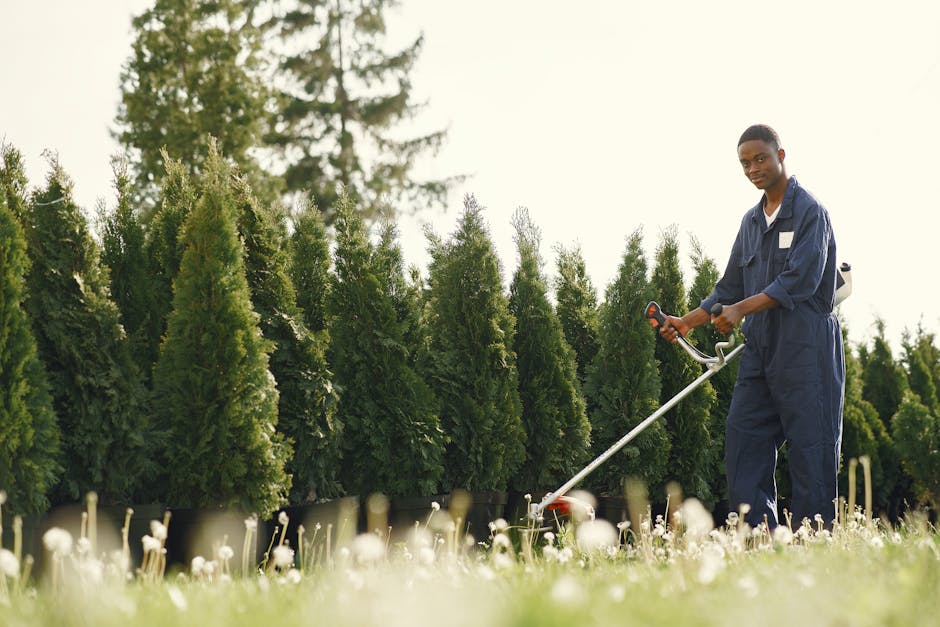
Reliable lawn mowing in Brockley starts with a clean, even cut that suits the grass, the season and the condition of the garden. Our service is centred on keeping lawns tidy, manageable and presentable, with straightforward visits focused on the essentials: mowing, edging where needed, and leaving the space neat. If the grass has become too long, uneven or difficult to maintain, we can help restore a regular cutting routine and support a better finish.
Alongside mowing, we can discuss garden maintenance for customers who want the lawn looked after as part of a broader outdoor care plan. That can be useful when the grass is only one part of the job and other areas also need regular attention, such as light tidying, seasonal upkeep or keeping borders from spilling over into the lawn. Clear, practical lawn care keeps the garden easier to use and easier to keep in shape.
We also make room for customers who simply want a direct, no-fuss way to request a quotation. If you know the kind of mowing support you need, the quickest next step is to ask for a quote and outline the size of the lawn, its condition and how often you would like it cut. That helps shape a sensible response without overcomplicating the process.
Regular mowing for neat, usable lawns
Regular mowing is about more than shortening the grass. A good routine supports a cleaner look, more even growth and a surface that is easier to walk on, play on or simply keep in order. For many gardens, consistency matters more than drastic intervention. A sensible schedule avoids the shock of cutting too much at once and helps the lawn stay healthier in appearance over time. Where the grass is already long, the first cut may need to be more cautious before a regular pattern can be established.
We can shape the mowing work around the state of the lawn rather than forcing every garden into the same approach. Some lawns need a standard pass with edging, while others may benefit from a slower cut, attention to awkward corners or a tidy-up around obstacles. If there are narrow access paths, borders or mixed-use spaces, the cut can be planned so the result looks deliberate rather than rushed. When you are ready, pricing and quotes can help frame the likely scope of the work.
The aim is a finish that looks orderly without unnecessary disruption. Many customers value a simple and dependable mowing visit because it reduces the amount of time spent on weekend upkeep and stops the lawn from becoming a bigger task later. Whether the grass needs a one-off tidy or a repeating service, the focus stays on practical results and clear communication about what is included.
What a lawn mowing visit can include

A mowing visit is normally built around the condition of the lawn and the layout of the garden. Where appropriate, the job may include cutting the main lawn area, trimming the edges for a sharper outline, and clearing the cut grass so the surface is left presentable. If the garden contains sections with different growth patterns, the approach can be adjusted to avoid leaving one area overcut or another area under-finished.
Useful preparation is modest and practical. If there are movable items on the grass, it helps to clear them before the visit so the mowing can be done efficiently. Likewise, if access is shared or a gate needs unlocking, a brief note in advance can prevent delays. Two details are particularly helpful when asking for a quotation: the approximate lawn size and whether the grass is currently short, medium or overgrown. Those facts give a better basis for an accurate response.
In many cases, the smallest details make the most difference to the finished look. A straight edge, a careful pass around beds and a consistent height can change the overall impression of the garden without making the work complicated. If you want to compare mowing with other garden work, it can be sensible to pair the request with services overview so you can see how the main offering sits alongside related options.
Seasonal grass cutting and garden timing
Grass growth changes through the year, so the same lawn may need a different approach in spring, summer and the slower months. Seasonal mowing is often about staying ahead of growth rather than waiting until the lawn looks untidy. In stronger growing periods, a steadier rhythm can reduce the amount of heavy cutting required later. In quieter periods, the cut may need to be less frequent, with an emphasis on avoiding stress to the grass and keeping the finish even.
Some gardens also need a bit of judgement around weather and timing. A lawn cut when the ground is too wet can look messy and be less effective, while leaving the grass too long after a spell of growth can make the work harder. Good timing is one of the reasons people keep a simple mowing plan rather than treating each visit as a separate clean-up. If your garden is likely to need regular upkeep, garden clearance can also be relevant where the lawn is being held back by excess growth or leftover debris.
The practical benefit of seasonal cutting is that the garden stays more usable and less overwhelming. Regular attention can help maintain shape, prevent the lawn from becoming patchy through neglect and make it easier to keep the rest of the outdoor space in order. That is especially useful when the lawn is part of a wider garden that also includes beds, paths, edging or shared outdoor access.
Managing edges, corners and awkward lawn shapes
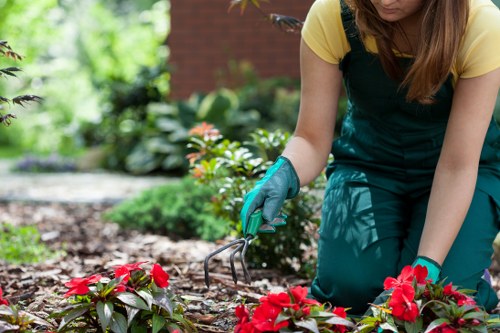
Not every lawn is a simple rectangle, and many gardens in Brockley have corners, narrow strips or curved borders that benefit from careful handling. A good mowing service takes the shape of the garden into account, rather than cutting only the easiest central section. That can mean paying more attention to edges, checking around trees or posts and making sure awkward areas do not become the parts that are left to grow out of control.
Where the lawn meets beds, paving or fencing, the visual effect of a clean boundary can be just as important as the cut itself. For some gardens, a neat finish may require extra time around irregular shapes or a slower pass near delicate planting. If you are looking to combine mowing with other outdoor work, hedge trimming may be useful when overhanging growth is affecting light, access or the outline of the lawn area.
Careful edging is often what separates an adequate cut from a genuinely tidy one. It helps define the garden, keeps the lawn from blurring into surrounding spaces and makes the whole area look better maintained. When the layout is unusual, the result depends on patience and a sensible sequence rather than speed alone, which is why mowing is best treated as a considered task rather than a quick sweep across the grass.
When a lawn needs more than a basic cut
Sometimes a lawn is so uneven, overgrown or cluttered that mowing by itself is not the whole answer. In those cases, the work may need to begin with tidying the area so the grass can be cut properly. That can include removing loose debris, dealing with thicker growth at the edges or making enough access to complete the job safely and evenly. The aim is still a mow, but one supported by the right preparation.
For gardens with broader outdoor issues, it may be sensible to consider landscape gardening where the lawn is only one part of a larger improvement plan. Some spaces benefit from a straightforward cut now and a longer-term plan later; others need a more substantial reset before regular mowing makes sense again. The right choice depends on the condition of the garden and how much work you want the space to do for you.
If you are unsure how much attention the lawn needs, it is often best to describe the current state clearly when making contact. A concise note about thickness, length, access and any areas that need avoiding is usually enough to start the conversation. That keeps the process practical and helps us understand whether the job is a simple mow, a tidier reset or part of a wider maintenance programme.
About Brockley
Brockley is a district in south-east London within the London Borough of Lewisham, known for its mix of residential streets, rail links and a strong local identity that has developed over time as the area shifted from a more rural settlement to an inner-London neighbourhood. The Victorian and Edwardian housing stock is one of its most recognisable features, with terraces and converted properties shaping much of the built character. Brockley Station, on the London Overground network, sits close to the heart of the area, while nearby St Johns and Crofton Park help define its wider transport pattern. The district also sits close to several open green spaces, including Hilly Fields, a much-used park with views across London and paths that link into the local landscape. Telegraph Hill, just to the east, adds another distinctive high point, with parkland and a conservation area that reflects the area’s later urban development. Brockley has long been associated with a lively community atmosphere, independent businesses and creative activity, and its streets often combine everyday residential use with reminders of the neighbourhood’s historical growth. The name itself comes from an old form referring to a woodland clearing or meadow, which suits the way the area developed from earlier rural land into a built-up part of the capital. Today Brockley remains a place where transport, housing and green space sit closely together, giving the district a character that feels both urban and relatively open in parts.
Keeping lawns in good condition between visits

Good mowing works best when it is part of an overall pattern of care. Between visits, many customers prefer to keep the lawn free from objects, heavy debris and anything that could make the next cut more awkward than it needs to be. That does not mean the garden has to be immaculate before work begins, but a little basic attention can make the finish more even and reduce the chance of missed patches. The simpler the lawn is to reach, the cleaner the result usually is.
Some customers like to combine mowing with wider upkeep at particular times of year. In that situation, it can be useful to think about what actually needs doing rather than requesting a long list of unrelated tasks. If the main concern is grass height, mowing may be enough. If the borders, shrubs or nearby growth are also causing problems, then another service may be worth discussing. Landscaping can support larger changes where the lawn sits within a wider redesign or improvement plan.
There is no need to overcomplicate the enquiry. A short description of the garden, a sense of the current grass length and any awkward access points is often enough to begin. Clear information saves time and helps avoid back-and-forth, especially when you want a practical estimate rather than a vague answer. If the lawn is part of a bigger outdoor tidy-up, mention that too so the request reflects the actual scope of the work.
Service choices for different lawn conditions
Lawns vary widely, and the most suitable mowing approach depends on how the grass has been maintained. A well-kept lawn usually needs a quicker, lighter visit to preserve its shape and finish. A neglected lawn may need a more careful first cut so the work is effective without being too severe. The condition of the grass, the time of year and the size of the area all influence the right method, which is why it helps to keep the service flexible.
For customers comparing related garden services, decking services may be relevant where the lawn sits alongside a decked area that also needs to look tidy and well cared for. That is not a substitute for mowing, but it can matter when the garden is a mixture of surfaces and you want the overall appearance to work together. A clean lawn can make adjacent features stand out more clearly.
Practical service choices are often about deciding what will give the best result without adding unnecessary complexity. A regular cut is usually the simplest solution when the grass is already under control. A one-off tidy, by contrast, may be more suitable after a period of neglect or before a larger outdoor project. The right choice depends on the present condition of the garden and what you want from it in the weeks ahead.
Requesting a quotation for lawn mowing

When you ask for a quotation, it helps to be specific about the basic facts rather than trying to explain everything at once. The most useful details are the lawn’s approximate size, whether it is regular or overgrown, and whether there are any access issues such as locked gates, steps or narrow side paths. If there is anything that needs to be avoided, mention that as well. Contact us is the place to start when you are ready to send those details.
The quotation process should be straightforward and practical. You do not need to write a long brief, but a clear message gives a better basis for shaping the work sensibly. If the lawn is one part of a larger outdoor job, say so; if it is the only thing you need, that is useful too. A focused request makes it easier to match the service to the garden rather than offering something vague and one-size-fits-all. Please request a quotation when you are ready and share the key details of the area.
Whether you need occasional mowing or a more regular arrangement, the aim is to make the next step simple. A good enquiry gives enough information to understand the job without turning it into a long form-filling exercise. If you are ready to move ahead, send the details and ask for a quote so the service can be matched to your lawn and your timetable.